Amber - a fossil we can wear
Amber is a wonderful jewelry for gardeners and stewards of the earth! As we approach the holiday season, I hope these articles will help you in your quest to find the perfect gift for yourself or for someone special in your life.
November 15, 2026
Patricia Hanbidge, Lead Horticulturist, Orchid Horticulture
Key points from this story:
- Amber is ancient plant resin
- Insects and debris can be preserved
- Dominican Republic amber is unique
- Baltic amber is the most valuable
- Amber has a long fossilization process
- Amber jewelry is widely available today
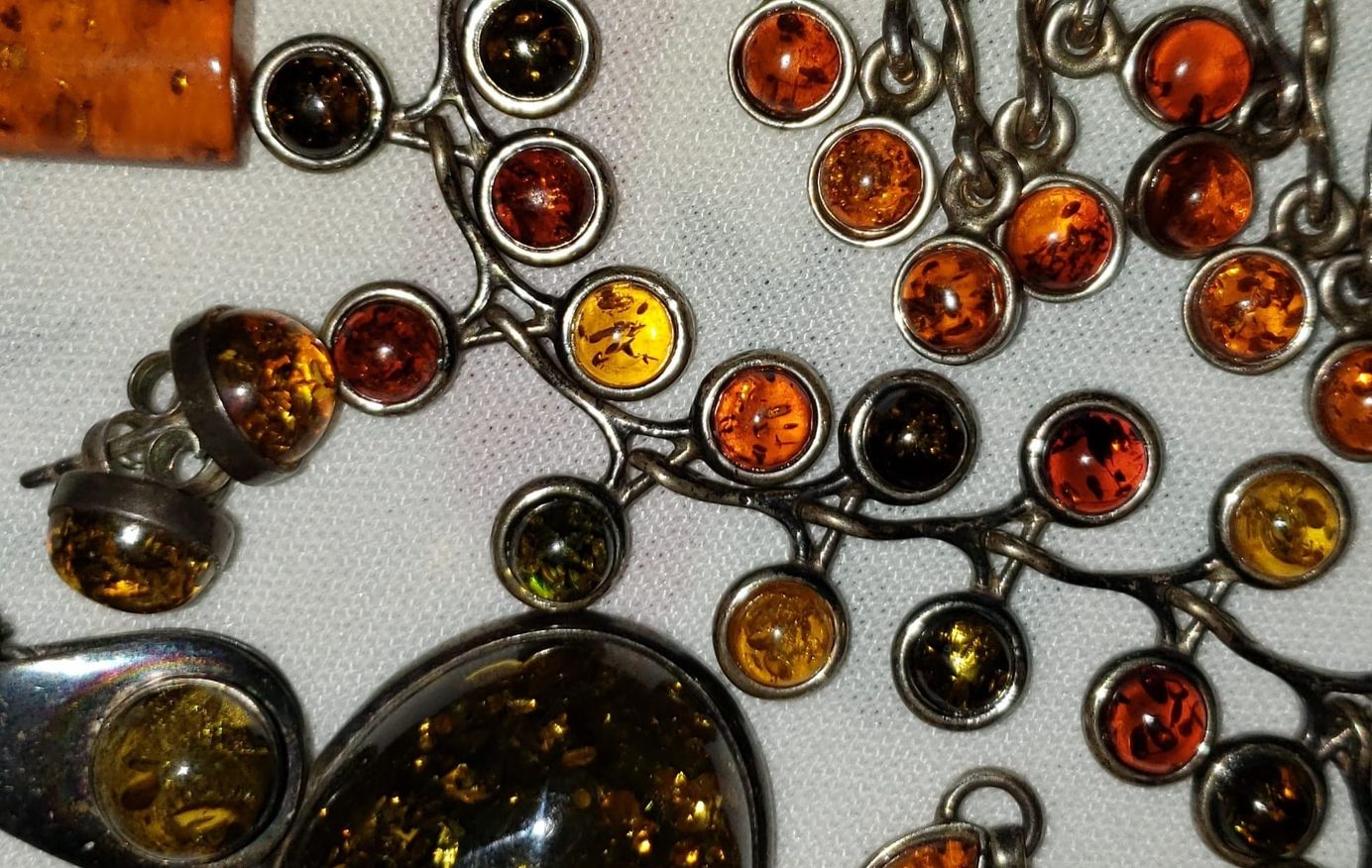
Amber is a wonderful jewelry for gardeners and stewards of the earth! As we approach the holiday season, I hope these articles will help you in your quest to find the perfect gift for yourself or for someone special in your life. Amber is that beautiful warm looking mostly golden coloured, almost living like jewelry! It is actually ancient plant resin that has metamorphosed into a very hard, plastic-like polymer during a process that took - only a few million years! It is not formed from sap but rather plant resin that can drip or ooze from the tree. Sap is the compound that circulates through the vascular system of plants while resin is a semi-solid organic substance that is secreted in pockets or cells in the surface cells of the plant.
The amber itself is lovely to wear but it is especially unique when there are some added elements! It is often the case that insects get trapped in the sticky sap-like substance and then are forever preserved in this amber transparent tomb! It can trap other debris such as seeds, leaves and feathers as well! Think back to the movie "Jurassic Park" which was based on finding blood-sucking insects that had feasted on the dinosaurs of the day and then drowning in a pool of sticky resin! So, what kind of plant provides this sticky resin compound known as a terpene plant resin? These terpenoid parts of the resin evaporate and dissipate under the natural conditions in the forest and become fossilized compounds in the sediments and soils. It does take millions of years and involves a progressive oxidation and polymerization of the natural compounds to form what we call amber!
The very beautiful amber produced in the Dominican Republic (and depicted in the movie) comes from the fossilized resin of an extinct leguminous tree (*Hymenaea protera*) which is the ancient ancestor of the present day West Indian locust or "guapinol" (*Hymenaea courbaril*). This is a very large canopy tree of the tropical rain forest area. Studies have been done to determine that the resin from this tree currently growing in Mexico, the Dominican Republic, Columbia and Brazil shows distinct similarities to the ancient amber.
In Mexico and Central America, there is copal which is a honey like pitch locally used for incense and varnish. However, the amber deposits of the Baltic region are the most valuable, the oldest and are closely related to the resins of the broad-leaf conifers of the Araucariaceae family. In fact, in New Zealand, there is a broad-leaf living araucariad forest that produces copious amounts of resin that once formed a thriving industry for very durable varnishes and linoleum. Forests such as these likely flourished in the Baltic region 60 million years ago!
During most of the Mesozoic time period, it was gymnosperms or evergreens that dominated the land vegetation. It has been traced that some of the amber land plants were likely conifers during this period and include species like Norfolk Pine, Monkey Puzzle and Kauri Pine and perhaps some of the ancient cedars, cypresses and junipers.
More historical documents show that most neotropical amber was formed after the demise of the dinosaurs (sorry "Jurassic Park"). However, there are deposits of amber in the Baltic region, in the Eastern USA and even Alaska that date back to the Jurassic Periods.
Regardless of when amber was actually deposited and began that long fossilization process - today we are graced with enjoying amber in a plethora of jewelry today. What a blessing!
Last Mountain Times Newsletter
Join the newsletter to receive the latest updates in your inbox.