Autumn and spring flowering bulbs
Autumn is a wondrous season, perfect for planting spring flowering bulbs, which are easy to maintain and bloom beautifully in spring.
September 27, 2026
Patricia Hanbidge, Lead Horticulturist, Orchid Horticulture
Key points from this story:
- Plant bulbs in fall for spring blooms
- Choose hardy varieties for your zone
- Water bulbs before winter to ensure health
- Size of bulbs affects bloom quality
- Plant in well-drained soil to avoid rot
- Ornamental alliums need careful management
Autumn is truly a wondrous season. As it cools off overnight, by the next afternoon it is often quite warm. It is when this happens that our focus should turn to thinking about planting spring flowering bulbs. They are simple and inexpensive to plant and require very little upkeep. They are seasonal drought evaders as they grow and bloom in the spring when there is moisture available and come the hot, dry summer months, they are happily dormant in the ground. It is important to plant spring flowering bulbs in the fall as they require a cold period (stratification) in order for them to initiate bloom. They include tulips, daffodils, crocus, muscari, ornamental alliums and more.
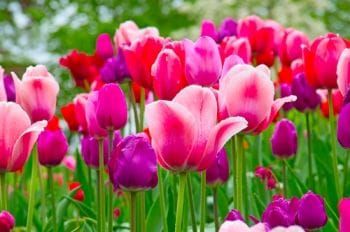
It used to be that there was very little selection of what you could plant and those spring flowering bulbs just got bigger and showier with each year that passed. Now, the sky's the limit when choosing what to plant. As far as tulips go, there are the large classic Darwin tulips, but now species, double, parrot, fringed and lily flowering tulips are all possible. However, what we gain in variety, we lose in longevity. Although they are not considered a true annual, the wilder the tulip is to look at will require planting new bulbs each fall. The old way of planting tulips once is unfortunately no longer the norm. It is possible if your tastes are modest to have your tulips grace your garden each and every spring.
We need to remember where we live and use our hardiness zone guidelines on what we can plant. Remember that it is the water in the soil pores that freezes and not the mineral part of the soil. So ensure that where you plant you also water the bulbs in if we do not get rainfall prior to winter. Moist soil is less cold and will keep your bulbs in good health. When purchasing bulbs - remember that in this case, size really does matter a lot! The bigger the bulb is means the plant will be more robust and have the ability to create amazing blooms.
Species tulips and other small bulbs like scilla, muscari and squill are all great choices and can be naturalized easily in lawn areas. Planting bulbs in turf is fine as long as it is understood that the lawn cannot be mowed in spring until the bulbs die down as this feeds the bulb and allows the lifecycle to continue.
Spring flowering bulbs need to be planted in well-drained soil and in an area that will not hold water when the snow melts. The best time to plant them is September, but do not fear, I have planted them as late as November and still had great success. They need to grow some roots and settle in prior to the cold winter starting. Over the winter they are dormant, but as the soil warms in spring they continue their growth and grace our gardens with lots of colour.
I have been struggling with trying to choose what I will add to the garden for next spring. I do not really understand why this is such a challenge as regardless of what I choose, the spring garden is always beautiful! The last couple of years I have been including some ornamental allium, but it is essential to remember to cut off the blooms prior to the seeds sowing themselves. It is very easy to fill in a lot of spaces with these well-seeded plants. However, if you are looking for a self-seeding bed, then by all means let the seeds do what seeds do!
Good luck with planning your spring blooms!
Remember that as we get closer to Thanksgiving Day, I invite you to share an image or a few words on what you are thankful for in your life. Let's keep it related to the garden, but your perspective of the sky, or the earth in your garden count as being worthy of a snapshot or a comment. I am already hearing from some of you and as we get closer to Thanksgiving, I will share with you some of what has been shared with me.
Last Mountain Times Newsletter
Join the newsletter to receive the latest updates in your inbox.