
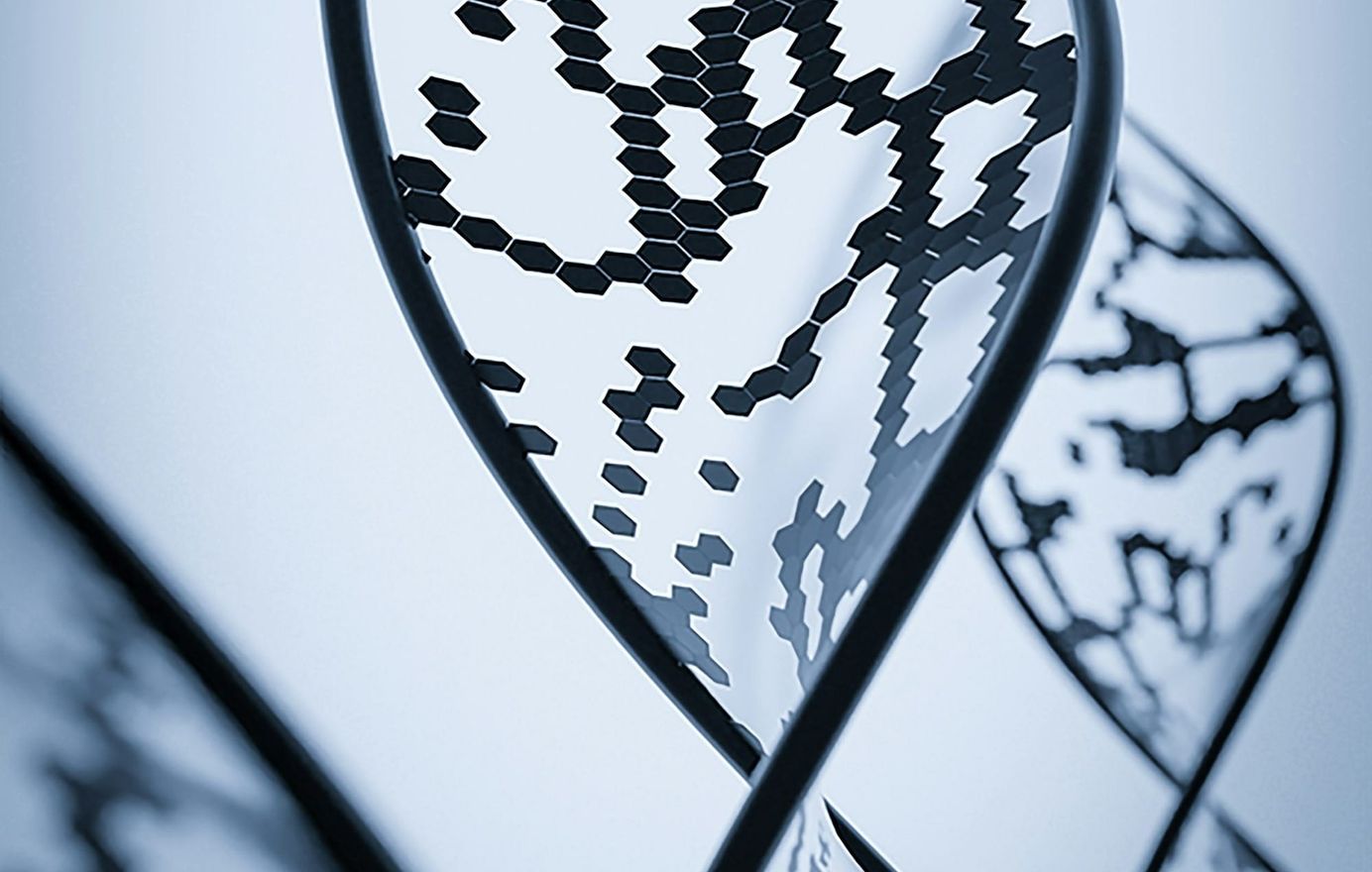
Gene-editing in agriculture
Gene-editing has been something of a bugaboo in agriculture for years now. The technology allowing scientists to add, remove, or alter DNA at specific locations in an organism's genome has raised concerns among politicians, particularly in Europe, and some consumer groups regarding its impact.
April 13, 2026
Key points from this story:
- Gene-editing is controversial in agriculture
- Concerns from politicians and consumer groups
- History shows risks of scientific advancements
- Thalidomide caused severe birth defects
- DDT led to widespread bans in the 70s
- Gene-editing could help future crop varieties
Gene-editing has been something of a bugaboo in agriculture for years now.
The technology allowing scientists to add, remove, or alter DNA at specific locations in an organism's genome has had politicians - particularly in Europe - and some consumer groups throwing up red flags about what impact the modified organism might have.
Caution in this case - as in most cases with major scientific advancement - is not a bad course of action to be taking.
While science by its very nature offers advancements in many areas - sometimes taking massive steps which dramatically change things - the ripple effect is not always fully understood.
History is actually littered with apparent advancements which over time were shown to be ultimately very bad.
Perhaps the most notable being thalidomide the medication first marketed in 1956 as a sedative and for morning sickness, which caused severe birth defects in thousands of babies before being withdrawn in 1961.
Then there is DDT (dichloro-diphenyl-trichloroethane) an insecticide, historically used to combat malaria and agricultural pests. While highly effective, its persistence, bio-accumulation in food chains, and toxicity led to widespread bans in the 1970s and 1980s.
And Polychlorinated Biphenyls (PCBs, a group of 209 man-made chemicals, formerly used widely in electrical equipment (transformers, capacitors) and industrial materials, which due to extreme persistence, bio-accumulation, and environmental health risks, their manufacture was banned in 1979.
So we always need to be cautious.
At the same time though we do need to let science explore and create as a pathway to our future in a world of growing population, cropland loss, and climate change.
There is little doubt gene-editing can play a role in creating crop varieties better suited to the anticipated growing conditions in the years ahead.
In terms of the development of gene-editing a major step may be taken in the coming weeks as the European Parliament votes in a plenary session on the use of gene-edited crops in the European Union.
If approved it will be a significant green light for the technology, although perhaps we should hope the decision is a yellow light - meaning the tech door is opened but with safeguards in place too.
Certainly, the prospect of what gene-editing might offer - imagine the possibility of saline or heat tolerant crops bringing lost acres back into food production - is compelling, and it will be interesting to watch what does develop once broader acceptance is achieved. Just proceed with an eye to the ripple effects.
Last Mountain Times Newsletter
Join the newsletter to receive the latest updates in your inbox.