
Going vertical
Spring is the time to think beyond the ground and grow up instead
- by Patricia Hanbidge
March 27, 2026
key points from this story:
- Spring marks start of garden planning
- Encourages use of vertical gardening
- Maximizes garden space and accessibility
- Reduces rot and improves air circulation
- May require more frequent watering
- Adds beauty and structure year-round
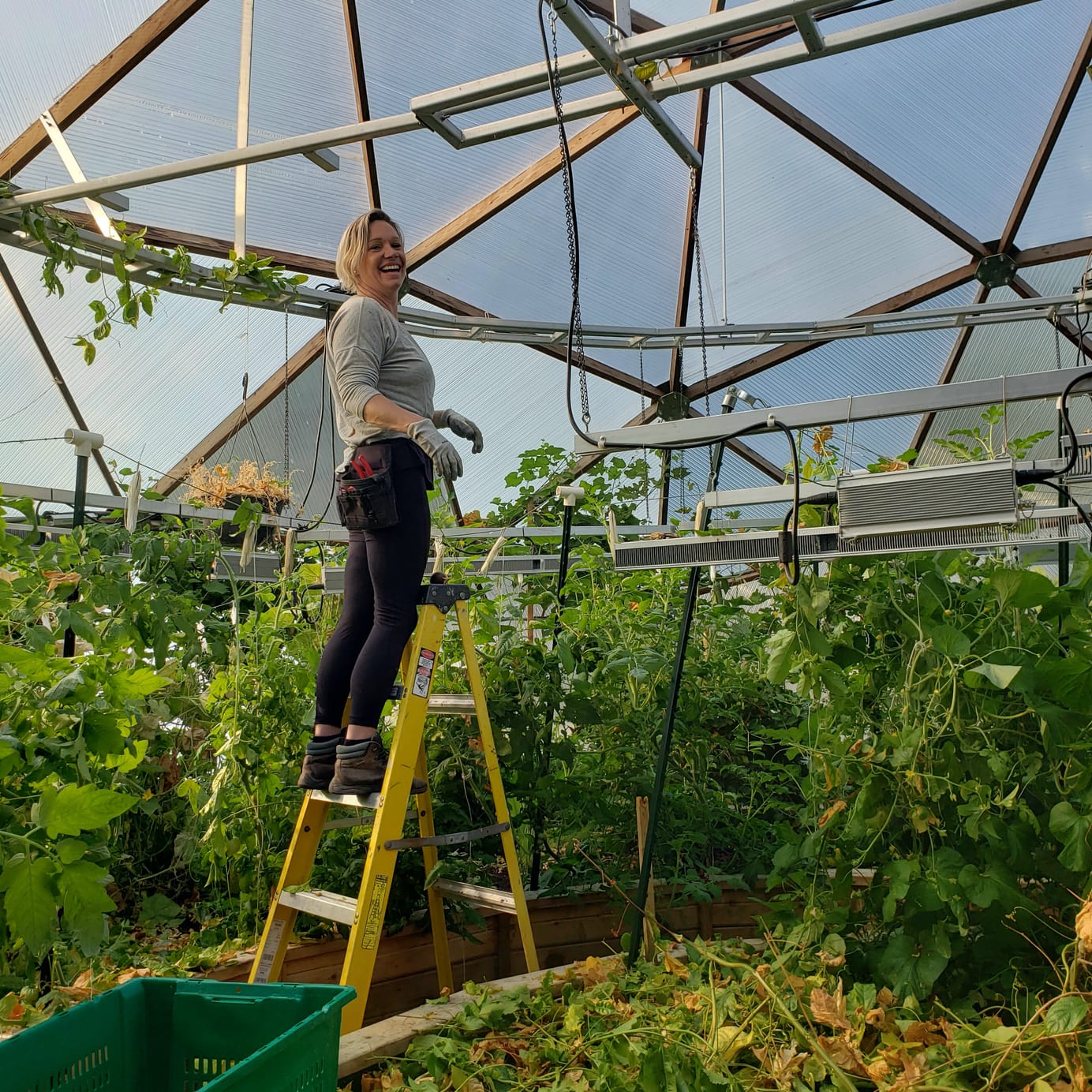
Spring is on the way! Now is the time to take a moment to say – where is my garden going this season? Space in the garden is always a challenge so this spring, I encourage you to “reach for the sky and go vertical!” You might be wondering what I mean by vertical gardening which is simply exploiting the vertical space instead of relying on the horizontal which is the more traditional way to garden. Going vertical will give you more space but it is also a way to make your garden more attractive and more accessible. Imagine harvesting strawberries while standing straight up – instead of crawling along the ground.
If you are an avid garden grazer, then vertical gardening has even more advantages. The fruit or vegetables that you harvest will be cleaner as they are not in direct contact with the ground. You will also find that you are losing less fruit/vegetables to moisture and rot again due to less contact directly with the soil. Air circulation is definitely better as well as any breeze will waft through those plants that are vertical. The only drawback to going vertical is you may have to water more often. However, perhaps it is the ideal time to install a simple irrigation system that suits your personal needs!
From the perspective of one who was rural and now is urban – adjusting to a much smaller space and still managing to grow everything desired is challenging. How do you make the best use of the space you have? One solution that is definitely worth trying is to go vertical. Any plant that is a sprawled, a natural climber or needs staking can easily be grown vertically – with the suitable support.
Vertical elements can be utilized as working functions of the garden. They work well to screen unpleasant areas in the landscape; can provide shade or shelter from the wind; can soften stark vertical surfaces; can define use areas in the garden and can provide movement.
Looking outside right now to your garden space might help to encourage you to think about going vertical. If you think of the trees in your landscape, they are an element that is always visible. If you incorporate other vertical elements in your garden, then those too will always be visible in every season - from both inside and out. After all, enjoying the garden in winter, we most often enjoy the view from inside your home where it is warm. Thus, elements need to be more prominent as they are not viewed in close quarters.
Think about incorporating some structure that has beauty itself. Ensure that the structure is suitable for the plant material it supports. Some easy plants to use for your vertical garden include: cucumbers, sweet peas, tomatoes, melons, peas, pole beans, black-eyed Susan vine, morning glory climbing snapdragons, hyacinth bean, nasturtium, passion flower, grapes, Virginia creeper, hops, and more!!! Just ensure that you supply the suitable structure and remember that some plants need to be tied to the structure while others entwine themselves to the support.
So, this season……. look ahead and plan to go vertical
Last Mountain Times Newsletter
Join the newsletter to receive the latest updates in your inbox.