Screwworm warning for agriculture
If ever we wondered why safeguards are important - in this case specially in the agriculture field - we need look no farther than the current screwworm situation unfolding in Texas.
June 14, 2026
Key points from this story:
- Screwworm reported in Texas calf
- Five cases now reported
- Includes cattle, goat, dog, wildlife
- USDA lost 25% animal experts
- CDC workforce cut over 25%
- CFIA restricts Texas-exposed animals
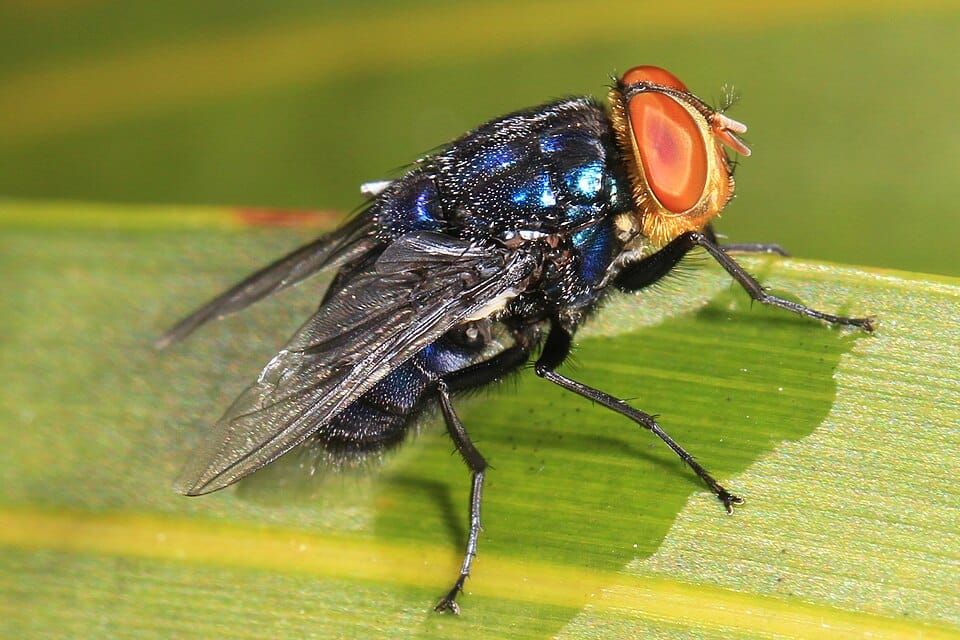
For those unfamiliar with the screwworm it is the parasitic larva (maggot) of certain blowflies. Those larvae feed on the living flesh of warm-blooded animals, including livestock, pets, and rarely humans.
The name comes from the maggot's behaviour of burrowing into healthy tissue in a screw-like motion using sharp mouth hooks.
The screwworm in not new to Texas but thanks to programming - including a release of sterile flies to limit reproduction - this larvae - it has been years since the parasite has been an issue.
But it is back with producer.com reporting the screwworm has been reported in a three-week-old Texas calf and was the first case reported and that there are now five, including two in cattle and a goat, and a dog in New Mexico. Wildlife and horses are other vectors.
The parasite is rather common in Mexico and Central America, so the threat to Texas is always right there.
But after years of solid defence against the screwworm the current recurrence leaves the question why now?
While you might not be able to draw a direct correlation one needs to question whether the return is the result of decision under US president Donald Trump.
It seems unlikely an issue like the screwworm reappearing is not at least in part to the fact the USDA is operating with 25 per cent fewer animal health experts than it had at the start of Trump's second term.
That is a significant reduction in expertise and has to be impacting response efforts to the current screwworm issue.
Of course Trump and his cohorts have shown a propensity for carrying little about science and actual data. The recent decision by the Trump administration to pull more than 900 deep-sea ocean sensors out of the Pacific and Atlantic oceans near Washington, Oregon, Alaska, North Carolina and Greenland is another fine example of what seems very much 'an ostrich with its head in the sand' approach to things.
And of course the Trump administration has also enacted huge cuts to the Centers for Disease Control and Prevention (CDC), reducing its workforce by more than 25 per cent and cutting federal public health grants according to varied reports.
It is a rather obvious disregard for public safety, for potential disaster preparedness, and a general distrust of good science under Trump, which means here in Canada we need to be even more diligent.
In that regard it is good to see that the Canadian Food Inspection Agency announced June 5 it would restrict animals that had been in Texas within the last 21 days from entering the country.
But it goes deeper too in the sense what is happening in terms of 'safety' in the US under Trump is a clear message to Canada not to follow in that direction, and in what we really need to do is bolster safety measures and those who monitor them.
Last Mountain Times Newsletter
Join the newsletter to receive the latest updates in your inbox.