
Summer and winter squash
As fall rolls into winter, many gardeners find themselves with a bounty of squashes and may be unsure of how to store them. The key difference between summer and winter squash is when they are harvested.
October 15, 2026
Patricia Hanbidge, Lead Horticulturist, Orchid Horticulture
Key points from this story:
- Difference between summer and winter squash
- Harvest summer squash young
- Winter squash needs curing time
- Plant squash indoors in cool climates
- Delicata squash is easy to prep
- Kabocha squash is great for soups
As fall rolls into winter, we may find ourselves with all kinds of things harvested quickly before the killing frost hits the garden. You may very well find you have many squashes and might not know what exactly to do with them as far as storage.
The difference between summer and winter squash comes down to one thing in reality - when you pick it. Summer squashes are harvested when the skin is young and tender and the skin is still soft enough to consume. It usually arrives all at once - in July and you have no idea what to do with that much squash. Winter squash will stay on the vine until the rind hardens into a protective shell. So what that means horticulturally is the summer squash is picked when it is not mature and you can easily consume the entire fruit. Winter squash are picked when mature.
Winter squash need to be cured for a few weeks until they are able to be successfully stored. Butternut, acorn, kabocha and most heirloom pie pumpkins are considered winter squash. Note that both summer and winter squash belong to the genus Cucurbita and both will happily grow together in your garden. Don't delve too deep into the botany as it does get confusing as Curcurbita pepo contains both summer zucchini and winter acorn squash.
On the prairies it is best to start both winter and summer squash indoors as they take a while to mature - especially if we have a cool summer. I like to start some in April, while most in early May. This spreads out the harvest a little bit. Plant in full sun in rich, well-drained soil. They will grow more fruit if they have good fertilization.
Some of my favourite summer and winter squash include quite a variation. I love to grow Black Beauty Zucchini as I have found this heirloom zucchini gets almost matte black and has creamy white flesh inside. It is lovely both raw and cooked.
Sunburst patty pan squash is an F1 hybrid but it has a nutty firm texture and is quite prolific. They are best picked when they are 2 to 4 inches in diameter as they still will have tender skin at that size.
Winter squash will take 90 to 120 days to mature. Buttercup squash of any kind is a good one to grow. Honeynut squash is a smaller, dark-green to -orange descendent of butternut squash and has a richer, sweeter flavour with less waste.
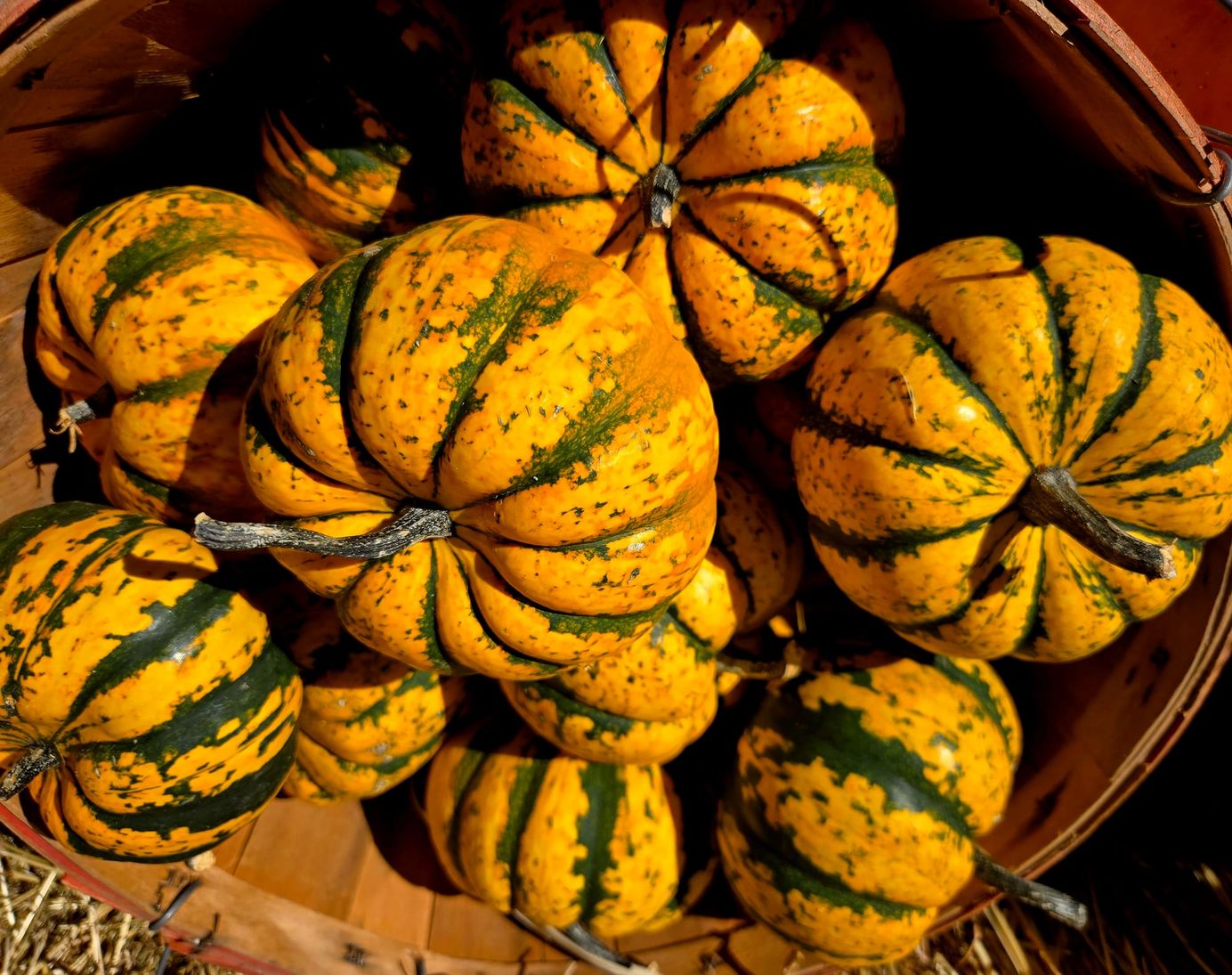
Delicata squash is the easiest winter squash to prep as it has thin, striped skin that is completely edible when cooked. It is sweet, creamy and has a slight nutty flavour.
Festival acorn squash will give you multicoloured fruit and not a huge number of squash per plant.
Kabocha squash or sometimes called Japanese pumpkin is prized for its dense, fluffy texture and very sweet, rich, nutty flavour. It is great for soups, curries and also for braising.
I hope that you have had a great harvest and are now enjoying some delightful dishes that are perfect for fall.
Last Mountain Times Newsletter
Join the newsletter to receive the latest updates in your inbox.