Wasps in the garden
As August moves along, the buzz in the garden is wasps, which are exceptional pollinators but can also be problematic during outdoor gatherings. This article discusses the various species of wasps, their role in the ecosystem, and how to manage their presence in gardens.
August 09, 2026
Patricia Hanbidge, Lead Horticulturist, Orchid Horticulture
Key points from this story:
- Wasps are important pollinators
- Yellow jackets are common garden wasps
- Wasps help control pest populations
- Avoid sweet scents outdoors
- Use traps to manage wasps
- Seek medical help for stings
As August moves along, the buzz in the garden is wasps or at least what we may think is wasps. What we all know for sure is all of these flying insects of the genus Hymenoptera are beautiful to watch, but all have the ability to sting. Sometimes we forget that these sometimes annoying creatures are a number of species of hornets, bees and wasps that are exceptional pollinators in our gardens.
There are thousands of different species of bees and wasps. Hornets are actually a subspecies of wasps while bees are an entirely different group of insects. Some of the common wasps include paper wasps, mud daubers and the ever common yellow jacket wasps that we often confuse as honeybees. Common bee species we see include bumblebees, honey bees and carpenter bees. Most bees are less aggressive than wasps and hornets and have bigger abdomens. Wasps and hornets are generally smooth and hairless while bees are generally quite fuzzy with hair.
Wasps serve a role in the food chain as they rid the garden of many pests. Sometimes it is hard for us to remember their worth but they are important. They belong to a large diverse group of insects that prey on other insects. Their major food source is eating other bugs - flies, caterpillars, grasshoppers and a host of other backyard pests.
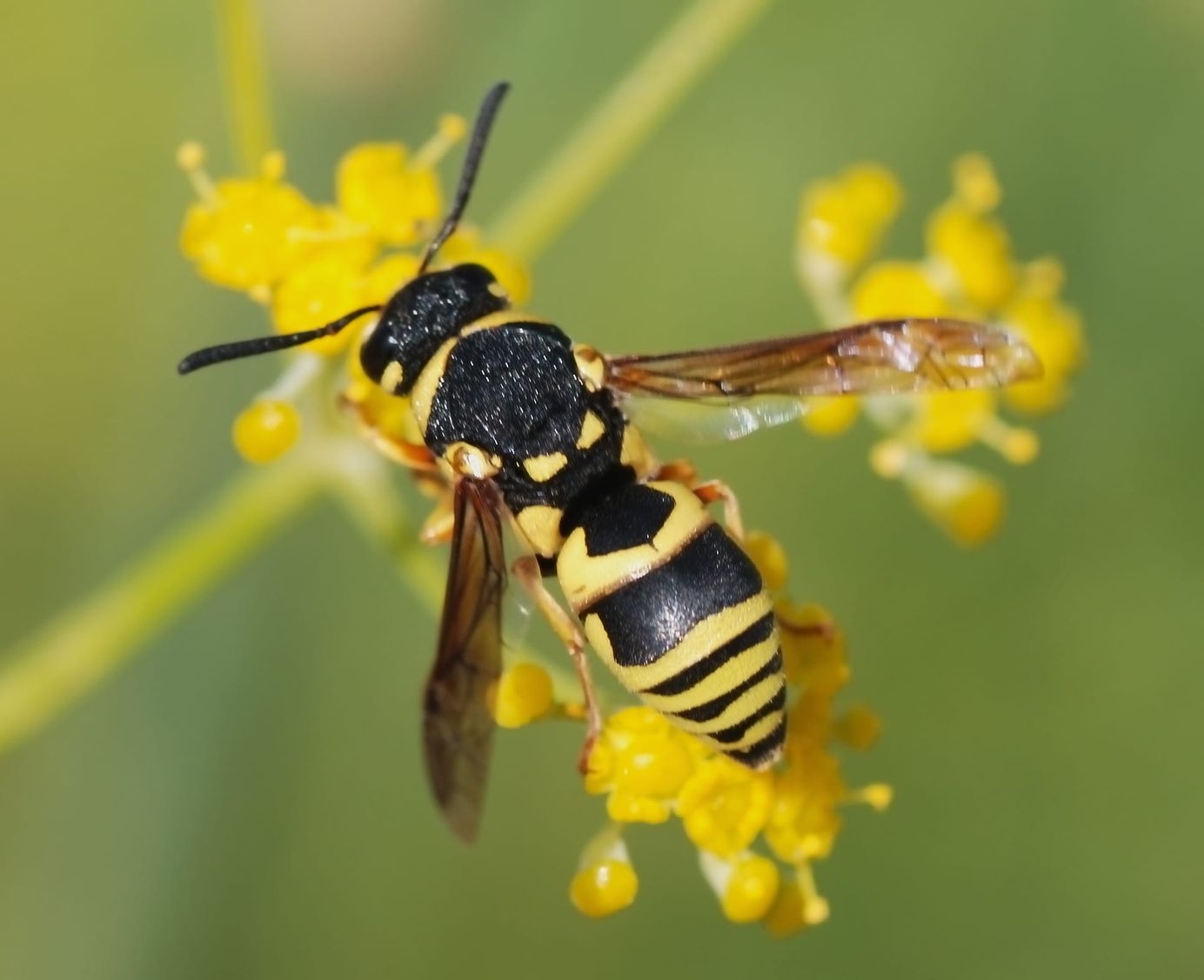
One of the most common wasps we see in the garden - especially later in the summer is one of the social wasps - the yellow jacket. They are easily distinguished by the bright yellow and black or white patterned bands decorating their abdomen. They measure 1/2 inch to 1-inch-long and have clear wings. Yellow jackets are the most fearsome when they are defending their nests so if you happen to have outdoor spaces where humans congregate, it is important to ensure that there are no wasp nests nearby. As the summer progresses, yellow jackets also become more aggressive as their dietary needs evolve with the seasons.
For all of us who like to dine outside in late summer, we often find that wasps are a bit of a problem. Barbeques, picnics and outdoor gatherings can easily provide a great food source for wasps - one that they do not have to search for! Crumbs, spilled juice, bones and a variety of other food-like garbage provide easy pickings for wasps. It can help in areas that the humans frequent to use a bait or a trap to keep the wasps away from your chosen areas. There are a variety of wasp traps on the market, some which are really quite beautiful. If you choose to make your own it is relatively easy. Use a plastic pot bottle and pour a bit of fruit juice, leftover food or ripe fruit as a bait in the bottom of the bottle.
There is of course no magic solution to avoiding wasps at this time of year - except of course to stay inside which is really not a solution at all. However, try to avoid wearing sweet scents when working outside as that will definitely attract wasps. If there is an abundance of wasps, then it is time for some detective work. It is relatively easy to watch where the wasps are flying to determine the location of the nest. Wasps will generally only fly within about 300 m of the area they frequent. Once the nest is found, the choice is yours whether to eradicate it or not. If you choose to rid the garden of these critters, then there are a number of sprays on the market that work well. Please follow all directions carefully.
If you do happen to get stung, wash the wound with soap and water. Treat the wound with ice, meat tenderizer or a freshly cut onion to help destroy the venom. Antihistamines are a good idea as they reduce symptoms of pain and swelling. Rest and do not drink alcohol. Ensure that you seek medical attention if the sting is close to the mouth or throat or if you have an allergy to bee or wasp stings.
Last Mountain Times Newsletter
Join the newsletter to receive the latest updates in your inbox.