Food labelling debate continues
Calvin Daniels explores the complexities of food labeling, consumer expectations, and industry challenges in delivering clear and useful information.
December 28, 2026
key points from this story:
- Food label content debated widely
- Consumers vary in attention to labels
- Price often outweighs label details
- Clarity on origin and ethics questioned
- Too many labels may confuse buyers
- Balance needed between info and overload
What should be included on food labels tends to be a topic which can be a hotly contested one depending who one asks about it. Certainly, it is probably safe to say a sizeable number of consumers pay scant attention to food labels. There is an assumption – and yes some will argue the assumption is folly – that food on store shelves is safe, so reading labels is not a huge priority. It is also a reality for many the key thing when it comes to purchasing groceries is looking at price tags to ensure what they are buying is affordable – a situation made keener as living costs such as property taxes, water bills, food costs, etc rise for many faster than wage increases to keep pace.
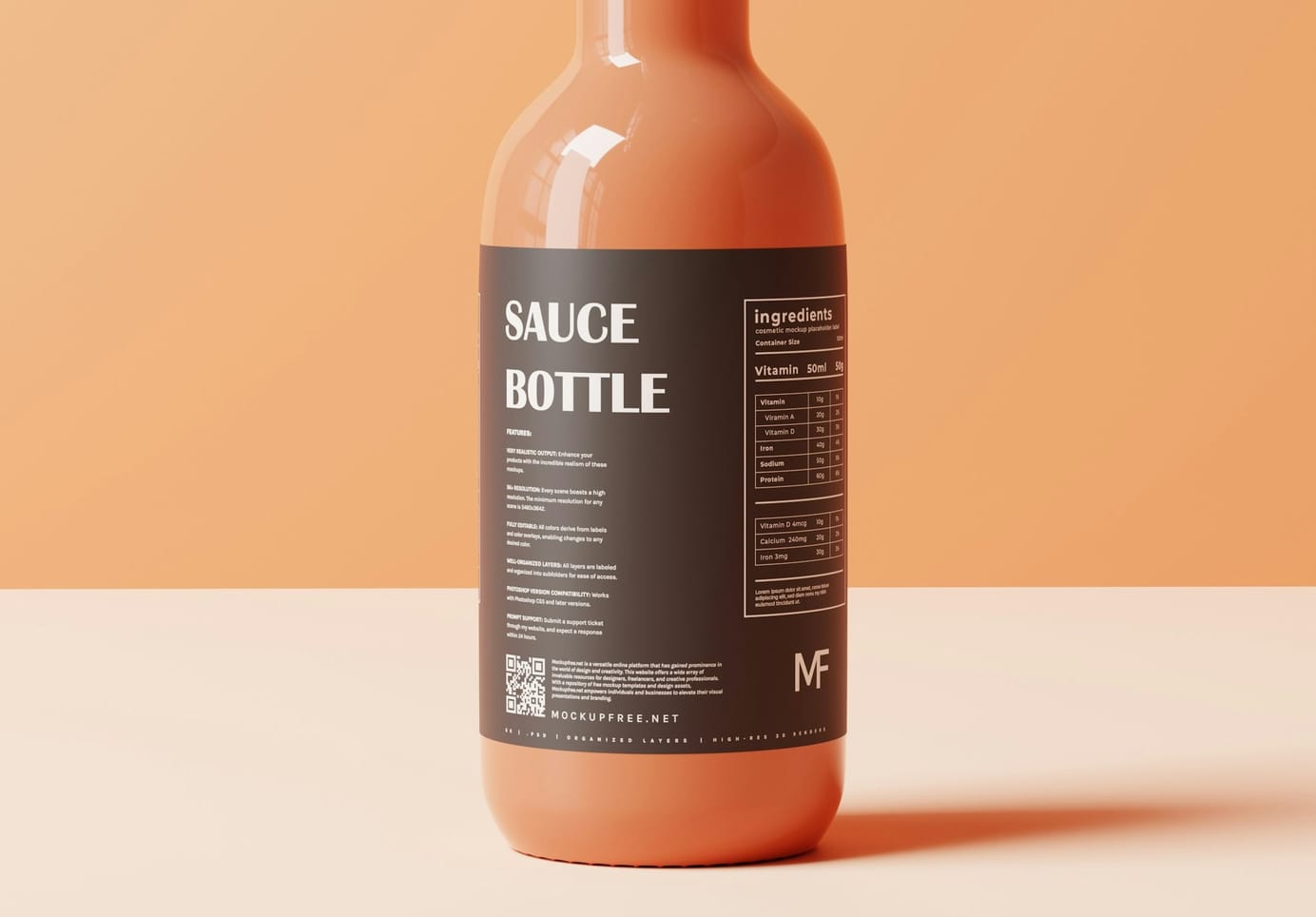
For others though they want as much information as possible on labels. Ingredients of course are rather crucial. We know, for example nut allergies can be quite severe for some, so being able to check a label to be sure there are no nuts is a must. But, what about broader information from country of origin to whether the food is organic, produced ethically, is genetically modified, or whether the meat is lab grown.
On the surface it makes some sense to just say yes to all of the above, with some no doubt wanting to add more. But such broad labelling soon raises some rather serious questions. For example what exactly constitutes ‘ethically produced’. Through the years definitions of organic have not all been in lock step, and even if one settles on a single definition does it mean anything besides an assumption of piece of mind.
If we feel the rules and regulations of our food system ensure safe food, things like organic and GMO are simply farm operation choices at one end and consumer choices at the other. One could make the same argument about lab grown foods too – since the nutritional aspect of food is on labels already.
Of course it is also rather obvious that some consumers fear how crops are grown with crop protection products so they actively seek out alternatives and so an organic label is a marketing tool. And, given the trade upheavals caused by tariffs recently, many are more adamant about buying Canadian so again country of origin labels are a marketing tool. That said where is beef from if the calf is born in Canada, fed in the U.S. the beef sold in a third country where it is made into sausage and then shipped back to be sold in Canadian stores?
One fears that too many labels might do little more than confuse, with limited consumer benefit. Finding that middle ground of needed information without ‘consumer overload’ will increasingly be a more difficult juggling act.
Last Mountain Times Newsletter
Join the newsletter to receive the latest updates in your inbox.