Food sovereignty and backyard solutions
The idea of 'food sovereignty' is not a new one by any means.
October 09, 2026
Key points from this story:
- Coined in 1996 by La Via Campesina
- Food sovereignty defines local food policies
- Cost of living has pushed prices higher
- Many factors raise food costs globally
- Home gardens can reduce grocery bills
- Urban beekeeping and chickens are possible
A bit of research suggests food sovereignty -- the right of people, communities, and countries to define their own agricultural, labour, fishing, food, and land policies - was coined in 1996 by the international peasant movement La Via Campesina at the World Food Summit. That is three decades ago and one might suggest we are further than ever from the core principles.
Of course some might suggest those principles don't have a great deal of relevance at least in countries where the majority of the population is crammed into cities. Certainly living in a community where at best your yard is a postage stamp of green, and at worst you are on the 13th floor of a concrete construction reaching toward the clouds, taking direct control of your food source is challenging if not near impossible.
That said the cost-of-living is a very real issue for most of us right now. Wars, tariffs, corporate greed, global weather change, shifting world alliances and a range of other factors have pushed prices higher, seemingly impacting everything we need. We see it when we license our vehicles - rather important for most living in an area as vast as the Canadian Prairies, heating our homes, turning on the lights at night, and of course food. Rare would be the grocery shopper today who does not have a lament over the cost to fill a shopping cart with items of sustenance.
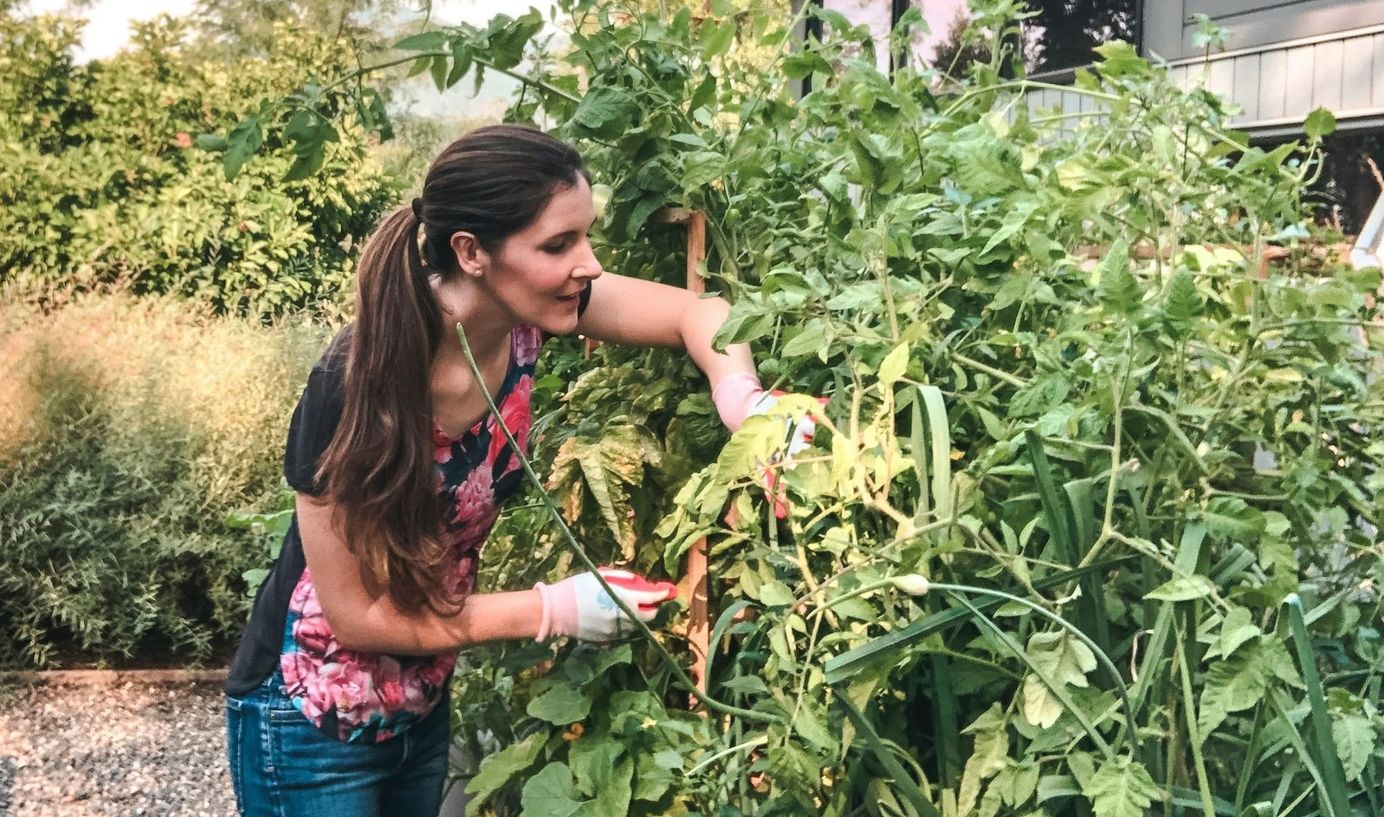
While we have little ability to influence many of our costs, we can look at our food bill and consider ways to lower it. Coming from a farm in the days of my youth, I recall how food was much more hands on back then for many. While obviously no one is going to raise a steer in the backyard in a town or city, the idea of a garden producing the potatoes and veggies, and salsa and pickles and even the jams and jellies are not beyond many urbanites, at least on the Prairies.
There are yards for homeowners. Concrete might be low maintenance, and grass looks nice, but we can eat neither. Perhaps rather than lament grocery store prices yard space might be better suited to be a vegetable garden. One can have bees, and in forward-thinking communities chickens too. And certainly there are 'municipally owned' properties which could be community gardens.
In other words food sovereignty really needs to start with a return to the individual taking back even a small portion of producing what they consume. Imagine for a moment the amount of vegetables which might be grown in a city such as Yorkton if every backyard, every boulevard, every flat-topped business building, was dedicated to producing food. Sometimes the solutions are right there in front of us, we just need to take advantage of them.
Last Mountain Times Newsletter
Join the newsletter to receive the latest updates in your inbox.