
Living sustainably in the winter
Practical winter tips to live more sustainably at home.
- By Patricia Hanbidge
January 16, 2026
key points from this story:
- Short winter days affect mood and energy.
- Winter is used for planning and planting.
- Kitchen habits can support sustainability goals.
- Choose durable, safer cookware over Teflon.
- Second-hand natural fibre clothing is preferred.
- Lower thermostats and recycle to reduce impact.
Regardless of where you may live, winter is still winter. Living in the northern hemisphere means that in winter, our days are shorter and the nights seem so dark! Those that suffer from seasonal fatigue really feel the darkness of this time of year. I find that my sleep/wake cycles are definitely different from summer. I welcome these cozier times and am thankful for the added rest. It also helps if you keep yourself busy!
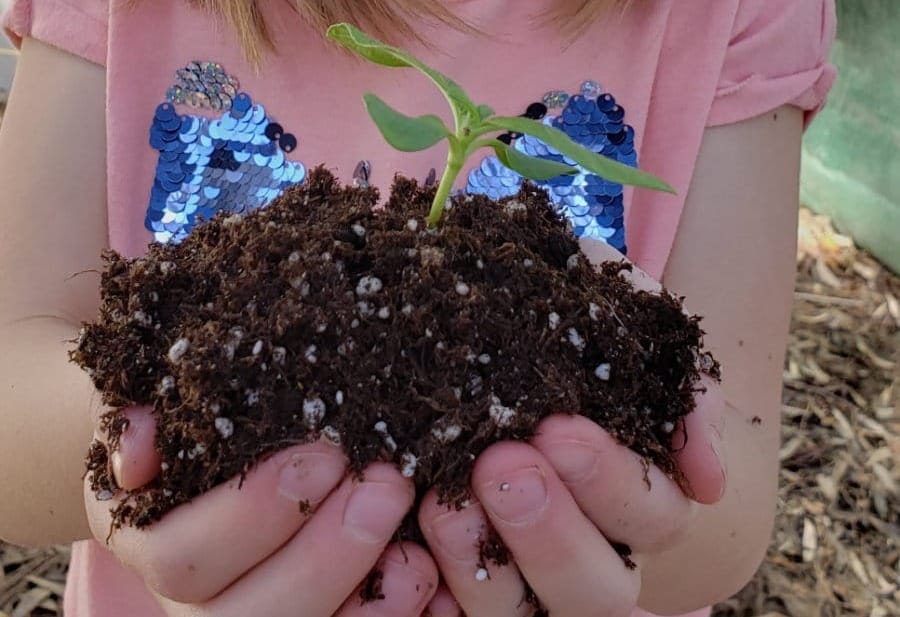
One of the many things that I do to ensure I do not succumb to the winter blues is to spend this time planting, and ensuring I do not feel like I am drying up like the leaves do at this time of year. Time is also spent ensuring I focus on making sustainability a priority. Making eco-friendly choices helps me to feel more powerful and able to create more mindful habits for myself and my family.

Let’s start in the heart of the home – the kitchen. When it is cool outside, I may grill a bit less but still enjoy using the BBQ and smoker as much as possible. Composting never stops – even in the dead of winter. It is simply amazing how much of our waste is actually compostable. Spending a bit of time creating meals out of what you already have in your fridge or pantry is enjoyable and the extra heat generated by cooking long and slow is especially appreciated. Take a moment to look also at your cookware as this is somewhere most of us can improve. Stainless steel, titanium and ceramic coated stainless steel are infinitely better and last longer than your non-stick Teflon or uncoated aluminum pans.
Inevitably we wear more clothes in winter so it is a good time to take stock of your wardrobe. I love to shop at second-hand stores as what I purchase is generally of more quality and made of more natural substances than purchasing new from retailers. Organic cotton bamboo and hemp are my first choices as polyester is made from fossil fuels and rayon is made from wood pulp contributing to deforestation. Regular cotton requires a significant amount of water to grow and for all the stages of processing required before you purchase that brand new t-shirt. My long-term habit of not following trends has helped me to clothe myself more sustainably and very little of what I wear ends up in the dryer.
Cold weather reduces the humidity in the air. Our skin is dry, our lips are chapped and inevitably we are not drinking enough water. Our plants look sickly, and there are more pest problems too. Do not succumb to overwatering your plants as unless they are under grow lights, they are really not growing and thus need less water. You need to drink more water – your plants do not.
Turn down your thermostat and if you feel chilled put on a sweater. For every degree below 20° C, you can save a small percentage of your heating costs. If you are not home, turn down the thermostat as well. Fans are useful for moving around warm air as well. Your plants will be happier and have less stressors as well.
Recycle everything you can and do it according to your local guidelines. Paper and cardboard from purchases and ordered goods can be easily put in recycling bins. Returnable cans and bottles can be donated to good causes or if you are so inclined, learn how to do that as well.
Thank you for caring!
Last Mountain Times Newsletter
Join the newsletter to receive the latest updates in your inbox.