
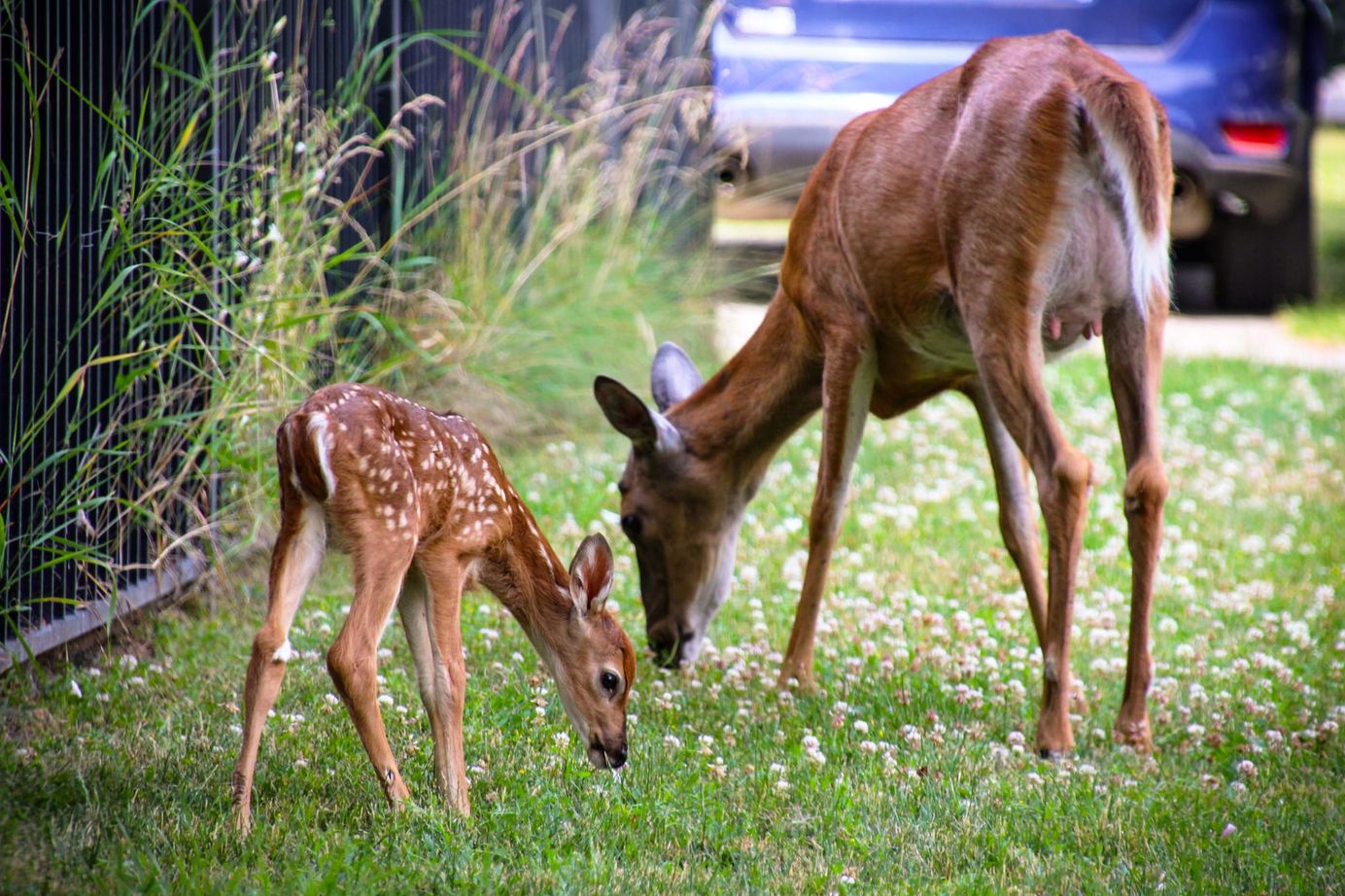
Look, but do not touch young wildlife
As temperatures warm up and more people head outdoors, it is common to come across young wildlife in natural areas.
May 08, 2026
Media Release, Community Safety, Gov't SK
Key points from this story:
- Young wildlife often appear unattended
- Parents often nearby and monitoring
- Human interference can reduce survival
- Illegal to take wildlife from wild
- Handling risks diseases like rabies
- Contact conservation officer or TIPP
Many wildlife species leave their young unattended for extended periods of time while they search for food or to avoid drawing attention from predators. In most cases, the parent is nearby and monitoring from a distance. Well-intentioned human interference can disrupt this natural behaviour, which may reduce the animal's chance of survival. Wildlife are not pets, and it is illegal to take them from the wild.
Handling or moving young animals can also pose health risks, including exposure to diseases such as rabies and West Nile virus. The best response is to observe from a distance and do not touch or relocate the animal. There are situations where concern may be warranted. If a young animal remains in the same location for several hours, is continuously vocalizing, appears wet or covered in insects, shows visible signs of injury or a deceased adult is found nearby, it may require assessment.
In these circumstances, contact your local conservation officer or the Turn in Poachers and Polluters (TIPP) line at 1-800-667-7561 for advice. In most cases, no action is needed. The animal has not been abandoned, and the best thing you can do is to leave it undisturbed.
Last Mountain Times Newsletter
Join the newsletter to receive the latest updates in your inbox.